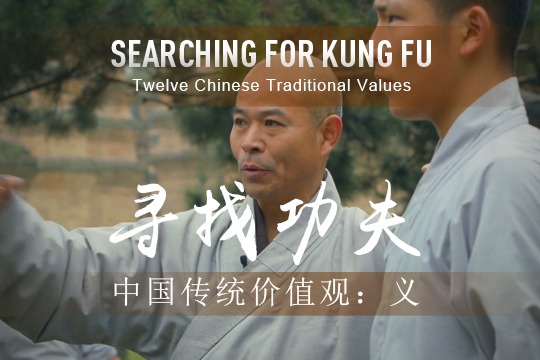
12 Traditional Chinese Values: Righteousness
Introduction
Righteousness, known as yi in Chinese, is one of the 12 Traditional Chinese Values that emphasizes living or behaving in a morally commendable manner. As a fundamental aspect of Chinese philosophy, yi is intricately linked to the concept of justice and moral integrity. This value is often explored through various cultural expressions, including the martial art form of kung fu, which serves as both a physical discipline and a moral code.
Historical Background
The concept of righteousness has deep historical roots in Chinese culture, dating back to ancient philosophical texts. It is prominently featured in Confucianism, which has played a significant role in shaping Chinese society and moral values. Historically, yi was seen as a guiding principle for personal conduct and governance, encouraging individuals to act with integrity and fairness. Throughout Chinese history, righteousness has been celebrated in literature, folklore, and historical narratives, often depicted through the actions of virtuous figures who sacrifice personal gain for the greater good.
Definition and Interpretation
Righteousness, or yi, is defined as the quality of being morally right or justifiable. It involves a commitment to ethical principles and the courage to uphold them, even in the face of adversity. In traditional Chinese thought, yi is not merely about adhering to societal norms but extends to the internalization of moral values that guide one's actions and interactions with others. The interpretation of righteousness encompasses both personal virtues, such as honesty and loyalty, and social responsibilities, including justice and altruism.
Cultural Significance
In Chinese culture, righteousness is seen as a cornerstone value that influences various aspects of life, from personal relationships to governance. It is considered essential for maintaining social harmony and ensuring justice within the community. The cultural significance of righteousness is also evident in various traditional practices and rituals, where it serves as a moral compass guiding individuals to act with integrity and honor. Through cultural expressions like literature, art, and martial arts, yi is continuously reinforced as a vital component of Chinese identity and heritage.
Righteousness in Confucianism
In Confucianism, righteousness is a core virtue that underpins the moral framework of the philosophy. Confucius emphasized yi as a fundamental quality that individuals should aspire to, advocating for actions that align with moral rectitude over personal gain. Confucian texts often stress the importance of righteousness in leadership, suggesting that rulers who embody yi can inspire their subjects and maintain a just society. The principle of righteousness in Confucianism also involves a sense of duty to act ethically in all aspects of life and contribute positively to the community.
Representation in Arts and Literature
Righteousness has been a recurring theme in Chinese arts and literature, serving as a source of inspiration for countless works. In classical Chinese literature, righteous characters are often portrayed as heroes who embody moral virtues and confront injustice. These narratives reinforce the value of yi by showcasing the triumph of ethical conduct over corruption and moral ambiguity. In the realm of art, righteousness is depicted through symbolism and motifs that convey the virtues of integrity and justice. The representation of righteousness in artistic and literary forms continues to perpetuate its significance in Chinese culture and beyond.








